Finding the best China supplier for apothecary glass reed diffusers requires more than comparing catalog prices. Buyers should assess glass quality, fragrance compatibility, customization, and export reliability together. A strong supplier understands how vessel design affects both product protection and shelf appeal.
In practical sourcing, small details often reveal manufacturing discipline. Check whether each bottle has an even amber finish, a smooth neck, and a stable base. Inspect the stopper, collar, and reed fit before approving bulk production. A well-made diffuser should sit firmly on a retail shelf without rocking or leaking. Ask for samples from the actual production line, not only polished showroom pieces. That difference matters.
Look for suppliers with clear quality procedures, responsive communication, and traceable documentation. Useful records may include material specifications, inspection reports, packaging details, and test results for leakage and breakage. Fragrance oils can react differently with glass components, seals, and coatings. Compatibility testing should therefore happen before large orders. It is easy to overlook this step.
Customization can include bottle colors, molded logos, caps, cartons, and sustainable packaging. However, attractive samples do not guarantee consistent mass production. Buyers should confirm tolerances, defect standards, lead times, and replacement policies in writing. Factory audits or independent inspections can add confidence, especially for new partnerships.
China offers broad manufacturing capacity, but “best” depends on your market, budget, volume, and quality expectations. A thoughtful comparison may take longer than expected. That is not wasted time. It can prevent costly returns, damaged shipments, and disappointing customer experiences. This guide explains how to evaluate reliable apothecary glass reed diffusers suppliers with practical, evidence-based criteria.
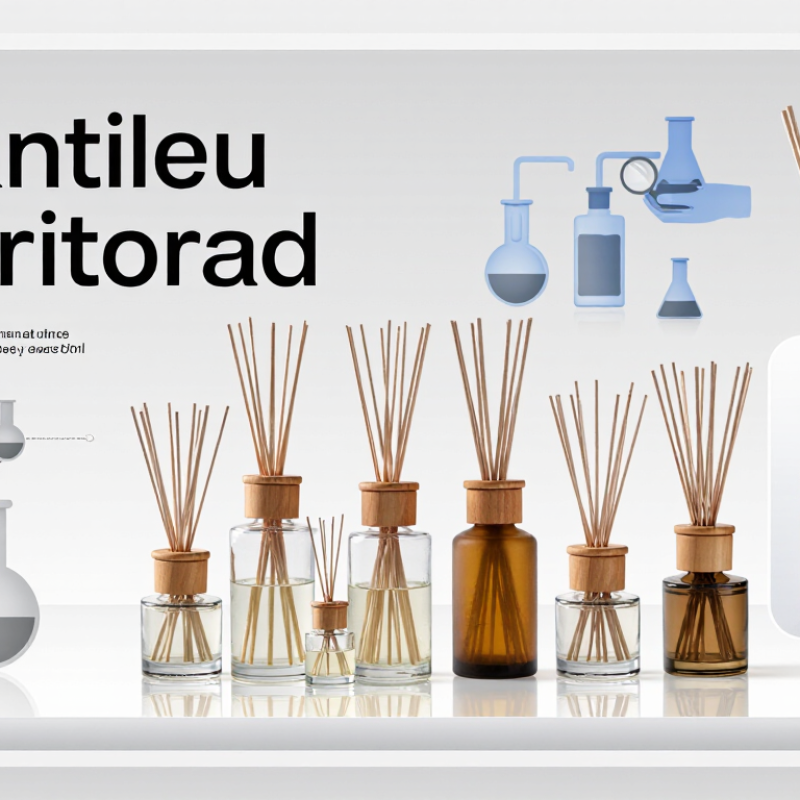
Apothecary glass reed diffusers combine a vintage pharmacy-inspired shape with modern home-fragrance function. Their typical features include thick glass walls, a short neck, a wide shoulder, and a stable base. Amber, clear, and frosted finishes are common. The apothecary style is visual, not a guarantee of performance. A beautiful bottle may still leak or release fragrance unevenly. That matters.
Grand View Research reported that the global home fragrance market was valued at about USD 13.4 billion in 2023. It also forecasts a 4.7% compound annual growth rate from 2024 to 2030. This demand supports continued interest in refillable and decorative diffuser packaging. In practical sourcing, buyers should inspect glass clarity, wall thickness, neck accuracy, and closure fit. Compatibility testing is essential. Some fragrance oils can soften seals or damage surface coatings. A reliable supplier should provide leakage tests, material specifications, batch records, and fragrance-related safety documentation, including applicable IFRA information.
Performance depends on more than the bottle. Natural rattan reeds usually absorb and release liquid through tiny channels. A wider neck can increase evaporation, but it may shorten product life. A narrow neck often improves control. Packaging should also protect the diffuser from impact during transport. Recycled glass can support sustainability goals, yet color variation may appear between batches. This is easy to overlook. Careful sampling, drop testing, and stability checks create more trustworthy results than attractive photographs alone.
| Product Dimension | Typical Specification | Product Feature | Buyer Verification Point | Practical Application |
|---|---|---|---|---|
| Definition | Decorative glass fragrance vessel used with scented diffuser liquid and reeds | Fragrance travels through the reeds by capillary action and is released into the surrounding air | Confirm that the bottle, closure, reeds, and fragrance liquid are compatible as a complete set | Home fragrance, hospitality, retail gift sets, and personal spaces |
| Bottle Material | Soda-lime glass is commonly used for household fragrance packaging | Rigid, transparent, recyclable, and suitable for decorative surface treatments | Request information about glass composition, wall thickness, and quality inspection procedures | Suitable for clear, colored, frosted, printed, or coated designs |
| Common Fill Volumes | 50 ml, 100 ml, 150 ml, and 200 ml are commonly used retail sizes | Smaller volumes support trial or gift products; larger volumes generally provide longer use | Check nominal capacity, actual fill level, headspace, and liquid overflow risk | 50–100 ml for compact products; 150–200 ml for larger room applications |
| Bottle Shape | Short-neck, cylindrical, square, or rounded apothecary-inspired profiles | Broad shoulders and a stable base create a traditional decorative appearance | Evaluate stability, usable internal volume, neck dimensions, and compatibility with the closure | Display-focused collections and coordinated interior décor |
| Glass Color | Clear, amber, green, blue, smoke, and other tinted glass options | Color changes the visual style and may reduce exposure to light compared with clear glass | Confirm color consistency between production batches and assess color under different lighting | Clear glass for visible liquids; tinted glass for vintage or premium visual themes |
| Surface Decoration | Frosting, screen printing, labeling, color coating, embossing, or debossing | Allows packaging differentiation without changing the basic bottle structure | Verify decoration adhesion, scratch resistance, color accuracy, and minimum order quantity | Private-label packaging and coordinated seasonal collections |
| Neck Finish | Commonly designed for a stopper, collar, cap, or open reed-diffuser fitting | The neck controls the appearance, evaporation area, and closure fit | Measure neck diameter, height, finish tolerance, and leakage performance with the selected closure | Different neck finishes support wood, metal, plastic, or decorative closures |
| Reed Material | Natural rattan reeds or manufactured fiber reeds | Rattan has natural channels; fiber reeds can offer more uniform appearance and performance | Check reed diameter, length, colorfastness, absorption, and compatibility with the fragrance base | Rattan for a natural look; fiber reeds for consistent presentation and color options |
| Reed Quantity | Usually supplied as a small bundle, often approximately 5–10 reeds depending on bottle size | More reeds can increase fragrance diffusion but may also increase liquid consumption | Test the preferred reed count with the specific fragrance formula and room size | Adjustable fragrance intensity for compact rooms, bedrooms, offices, and living areas |
| Closure Options | Wooden cap, aluminum cap, plastic stopper, decorative collar, or protective insert | Closures improve presentation and can reduce leakage during storage and transport | Perform upright, inverted, vibration, and temperature-cycle leakage tests | Gift packaging, retail shelves, transportation, and refill systems |
| Fragrance Liquid Compatibility | Water-based, alcohol-based, or oil-based formulations may require different component testing | Some formulas can affect coatings, labels, seals, plastics, or decorative finishes | Conduct compatibility, discoloration, swelling, odor, and leakage tests before mass production | Helps reduce packaging failure and maintain product appearance during use |
| Diffusion Performance | Influenced by liquid composition, reed type, reed count, temperature, airflow, and room size | Performance cannot be determined by bottle volume alone | Compare evaporation rate and scent throw under consistent test conditions | Supports accurate usage guidance and a more consistent consumer experience |
| Typical Service Life | Often several weeks to several months, depending on volume and environmental conditions | Higher temperature, airflow, more reeds, and frequent reed turning can increase consumption | Use a controlled wear test rather than relying only on a stated duration | Useful for estimating refill cycles and communicating expected usage |
| Safety Considerations | Glass is rigid but breakable; fragrance liquids may be flammable, irritant, or harmful if misused | Packaging should protect against breakage, leakage, accidental ingestion, and unsuitable handling | Review applicable chemical labeling, transport, packaging, and consumer-safety requirements | Important for household use, shipping, retail compliance, and export documentation |
| Quality Inspection | Visual inspection, dimensional checks, capacity checks, closure-fit tests, and leakage testing | Inspection helps identify cracks, bubbles, chips, uneven color, scratches, and printing defects | Agree on acceptable quality limits, sampling standards, inspection stages, and corrective actions | Supports consistent production quality for repeat orders |
| Packaging Protection | Individual boxes, molded inserts, dividers, protective wrapping, and reinforced outer cartons | Proper packaging reduces breakage and movement during handling and transportation | Request drop, compression, vibration, and carton-strength testing appropriate to the shipping method | Domestic distribution, international export, e-commerce, and gift-set delivery |
| Supplier Selection Criteria | Consistent glass quality, component compatibility, production capacity, testing capability, and export experience | A reliable supplier should provide samples, specifications, inspection records, and clear lead-time information | Compare sample quality, communication, documentation, customization capability, and total landed cost | Helps buyers select a suitable manufacturing partner without relying only on unit price |
Request physical samples, not only photographs. Inspect the bottle under bright light. Look for bubbles, cracks, uneven walls, sharp rims, and unstable bases. A stable base matters.
Fill the bottle and leave it standing for several days. Check the neck, stopper, and cap afterward. Some leaks appear later, especially after handling. A quick inspection may miss them.
Ask for glass inspection records and batch traceability documents. Request details about cap fitting, label application, and carton testing. The records should identify production batches clearly. Vague promises are not enough.
Either option can work when responsibilities remain clear. Confirm who controls production, inspection, packaging, and corrections. Written responsibilities reduce confusion. Communication reveals practical reliability.
Test the bottle, reeds, stopper, fragrance, and packaging together. A good bottle can still have a leaking stopper. Check evaporation speed, residue, and fragrance compatibility. One attractive sample proves little.
Ask for floral, woody, citrus, herbal, or unscented options when suitable. Request safety documents and batch records for the destination market. Test each formula with the actual reeds and bottle. Fragrance performance can vary.
Custom options may include bottle color, labels, caps, reed length, and gift packaging. Request drawings, prototypes, and physical color samples before production. Small changes can improve the result. They can also create delays.
Start with a small trial order. Keep approved samples and written specifications. Request packed-carton photographs and drop-test procedures. Regular quality checks still matter. Mistakes can happen.
Apothecary glass reed diffusers combine classic bottle styling with a practical fragrance delivery system, making them suitable for homes, hotels, retail spaces, and gift collections. When sourcing apothecary glass reed diffusers from China, buyers should evaluate the supplier’s experience, production capacity, communication, and ability to provide stable quality. Important considerations include clear, durable glass, compatible closures and reeds, a broad selection of fragrance options, and flexible customization for bottle shapes, colors, labels, packaging, and scent profiles.
A reliable supplier should follow consistent manufacturing procedures, maintain documented quality control, and provide appropriate certifications and inspection records for the target market. Buyers should also compare pricing based on materials, fragrance concentration, packaging, order volume, and customization requirements rather than focusing only on the lowest quotation. Clear minimum order policies, sample approval, secure packaging, production updates, and export support can help reduce risks and ensure smooth international delivery.