Engineered for optimal wax-to-wall heat dissipation, fragrance retention, and elevated retail shelf presence.
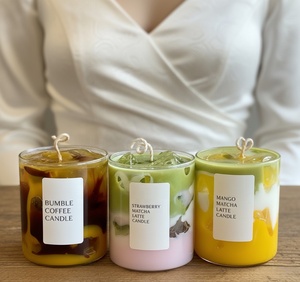
Navigating vessel porosity, thermal shock parameters, glaze stability, and bio-wax compatibility for luxury home fragrance procurement.
Unlike standard decorative ceramics, home fragrance vessels demand high-density stoneware or porcelain clay bodies fired above 1280°C (2336°F). This vitreous transformation drops water absorption below 0.5%, preventing fragrant essential oils from seeping into the vessel walls or causing structural fracturing during extended burn cycles.
Global regulatory landscapes require rigid adherence to heavy metal limits. Our manufacturing eco-system strictly utilizes lead-free and cadmium-free raw mineral glazes verified by REACH, RoHS, California Proposition 65, and FDA standards—guaranteeing zero chemical off-gassing when exposed to direct flame thermal stress.
While glass vessels exhibit high thermal conductivity, risking localized hotspots, high-density ceramic vessels offer superior thermal insulation (heat retention coefficient of 1.2–1.5 W/m·K). This allows a uniform melt pool to develop across soy and coconut wax blends without thermal shocking, extending total candle burn time by 12% to 18% compared to standard machine-blown glass containers.
Strategic market analysis for brand directors, sourcing managers, and luxury home lifestyle retailers.
Modern consumers expect dual-utility vessels. Future-ready ceramic jars feature silicone-sealed wooden or ceramic lids, allowing seamless post-burn transition into luxury storage, vanity containers, or planter pots, directly reinforcing brand equity long after wax consumption.
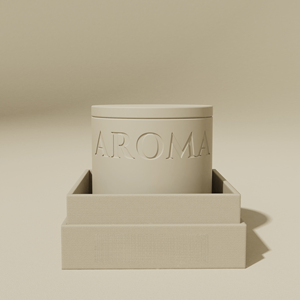
High-gloss uniform coatings are giving way to raw organic tactile finishes—sandstone matte textures, hand-thrown reactive glazes, speckled terra cotta, and ribbed fluted geometry. These complex glazes require precise kiln atmosphere control (reducing oxygen at 1250°C) to maintain color consistency across production batches.
With global shifts from paraffin to plant-based waxes (soy, coconut, rapeseed, beeswax), ceramic wall thickness must be engineered to match low melt-point wax dynamics (45°C–52°C). Custom internal tapers prevent tunneling while reducing thermal stress on natural cotton and crackling wood wicks.
How China's leading ceramic factories merge artisanal heritage with industrial automation.
Utilizing high-pressure hydraulic slip casting machines ensures wall density uniformity within ±0.3mm tolerance. Eliminating internal air pockets guarantees structural safety during wax pouring (poured at 75°C–85°C) and prevents structural micro-cracking when the candle reaches its final burn pool.
Vertically integrated contract manufacturing bridges vessel creation with contract filling. Fragrance oils (7% to 12% load capacity) are cold-blended into hydrogenated natural soy and coconut wax under vacuum conditions, eliminating surface crystallization, frost blooming, and sinkholes without chemical stabilizers.
| Material Class | Firing Temperature | Porosity / Water Absorption | Thermal Shock Limit (ΔT) | Recommended Scent Load | Ideal Application |
|---|---|---|---|---|---|
| High-Density Stoneware | 1260°C – 1280°C | < 0.5% | 160°C Difference | 8% – 12% Fragrance Load | Luxury Soy & Coconut Candles |
| Fine Bone China / Porcelain | 1300°C – 1320°C | < 0.1% | 180°C Difference | 10% – 14% Fragrance Load | Translucent Ambient Vessel Lighting |
| Earthenware (Decorative) | 1000°C – 1100°C | 3.0% – 5.0% (Requires Sealant) | 100°C Difference | 5% – 7% Fragrance Load | Short-Burn Votives & Dry Reed Holders |
| Reclaimed Terracotta | 1150°C – 1180°C | 1.5% – 2.0% (Glaze Interlayer) | 120°C Difference | 6% – 8% Fragrance Load | Eco-Friendly Rustic Patio Collections |
From custom CAD mold engineering to door-to-door international delivery.
Concept engineering, 3D printed sample verification, volume optimization, and lid fitment tolerance analysis within 3–5 working days.
Precision plaster mold fabrication, high-pressure slip casting, raw trimming, and initial bisque firing at 900°C for structural integrity.
Application of custom reactive, matte, or gloss glazes followed by high-temperature vitreous kiln firing at 1280°C for zero porosity.
Automated multi-stage wax filling, wick centering, burn testing, drop-test export packaging, and complete compliance documentation.
Rigorous quality controls, comprehensive compliance paperwork, and scalable B2B volume agility.
We do not just manufacture ceramic vessels; we formulate home fragrance ecosystems. Our in-house lab tests scent throw radius (cold and hot throw), flame stability, and soot indices across 200+ fragrance notes and customized essential oil accords.
Navigating EU CLP regulations, UKCA labeling, IFRA 51st Amendment guidelines, and US CPSC safety standards is seamless. Every production run ships with batch-level Safety Data Sheets (SDS), MSDS, and heavy metal lab clearance certificates.
Ceramic vessel logistics require zero-breakage engineering. We utilize custom molded EPE foam, reinforced honeycomb inner cartons, and double-wall corrugated outer master cases tested against 1.2-meter drop impacts to ensure 0% transport damage.
Expert answers addressing MOQ, customization parameters, quality verification, and lead times.
Our standard MOQ is 500 units per SKU for custom color glazes and standard ceramic vessel geometries. For fully custom 3D sculpted ceramic molds, initial production runs start at 1,000 units. Sampling pre-production runs of 25–50 units are readily available for physical evaluation prior to bulk production.
We utilize high-firing stoneware clay fired at 1280°C to achieve a fully vitrified surface with a porosity level under 0.5%. Every vessel model undergoes rigorous thermal shock testing (heated to 100°C and rapidly ice-quenched) to guarantee it withstands the operational temperature of cotton and wood wicks without micro-cracking or oil absorption.
Yes. Our ceramic glaze laboratory matches solid Pantone (PMS) colors in matte, semi-gloss, and ultra-high gloss finishes. For organic reactive glazes, we provide control range limit samples showing acceptable natural tone variations inherent to high-temperature kiln firing.
3D digital mockups take 2–3 days. Sample mold creation and physical ceramic glazing require 10–14 days. Bulk ceramic manufacturing and optional wax contract pouring take 18–25 working days post sample sign-off, followed by expedited air or sea freight dispatch.
Absolutely. All glazes are formulated with non-toxic, lead-free, and cadmium-free natural minerals. Every shipment includes certified lab documentation verifying compliance with California Proposition 65, EU REACH standards, and FDA food-contact guidelines.
Partner with China's top-rated ceramic jar factory and candle OEM contract manufacturer. Engineering precision, custom aesthetics, and global compliance delivered under one roof.