Engineered for retail chains, luxury boutique labels, and global hospitality procurement. Fully customizable wax bases, fragrance loads, and private label packaging.
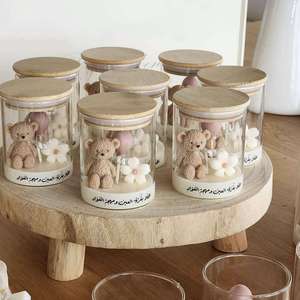
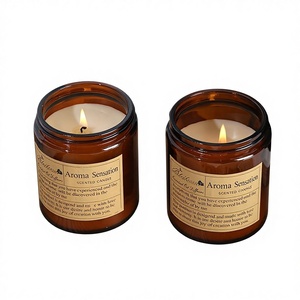
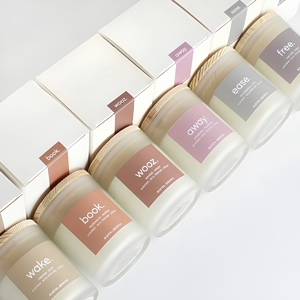
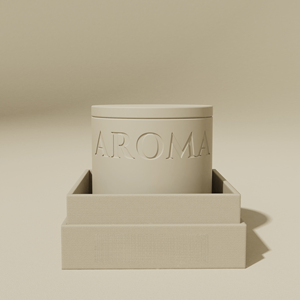
An in-depth analysis of technical manufacturing processes, quality control benchmarks, regulatory compliance, and cost optimization strategies for high-volume buyers.
Modern Chinese factories leverage temperature-controlled rotary volumetric pouring lines. Liquid wax is dosed within ±0.5g tolerance at specific thermal windows to prevent surface sinkage and sink-holes.
Navigating global chemical safety is crucial for importers. Leading manufacturing facilities ensure all raw fragrance compounds adhere to the 51st Amendment of IFRA guidelines, guaranteeing market readiness in EU, US, and APAC.
By co-locating glass blowing, ceramic glazing, wood turning, and packaging printing within regional industrial clusters, top factories eliminate component transit delay and reduce overall bill-of-materials (BOM) costs.
Understanding the thermomechanical properties of wax bases is critical for achieving optimal scent throw, melt pool geometry, and extended burn hours.
| Wax Base | Melting Point Range | Max Fragrance Load | Cold/Hot Throw Profile | Environmental & Commercial Characteristics |
|---|---|---|---|---|
| 100% Hydrogenated Soy Wax | 48°C - 52°C (118°F - 125°F) | 8% - 10% | Moderate Cold / Clean, Subtle Hot Throw | 100% biodegradable, renewable agricultural source. Zero soot when paired with correct wick size. Prone to frost effect without micro-additives. |
| Coconut-Soy Hybrid Blend | 45°C - 50°C (113°F - 122°F) | 10% - 12% | Exceptional Cold & Powerful Hot Throw | Creamy smooth top surfaces, lower melting point allows rapid pool formation. Ideal for luxury fragrance brands requiring strong olfactory projection. |
| Refined White Beeswax | 62°C - 65°C (143°F - 149°F) | 6% - 8% | Warm Honey Base / Moderate Scent Projection | High density yields ultra-long burn times. Natural air-purifying ion emission. Preferred for free-standing pillar, taper, and shaped candles. |
| Mineral Paraffin (Fully Refined) | 56°C - 60°C (132°F - 140°F) | 10% - 14% | Maximum Scent Throw Capacity | Economical cost profile, vibrant color reception, sharp detail retention for complex molded candles. High thermal stability during transit. |
| High-Transparency Jelly Wax | 68°C - 75°C (154°F - 167°F) | 5% - 7% | Subtle, Sustained Fragrance Diffusion | Crystal clear visual medium, allows embedded decorative elements (botanicals, glitter, objects). Burn time up to 2x longer than soy. |
Stay ahead of consumer preferences, environmental regulations, and technological shifts transforming the global home fragrance sector.
Global retailers are enforcing strict Scope 3 emission reporting. Chinese OEMs are shifting away from petroleum-based waxes to regional agricultural derivatives like palm-free soy, rapeseed, and upcycled coconut coir waste for packaging.
Request Life Cycle Assessments (LCA) and chain-of-custody certificates (RSPO, FSC) from your Chinese manufacturing partners during vendor evaluation.
The boundary between home decor and personal wellness has dissolved. Scent profiles are moving beyond basic floral notes into functional accords—utilizing neuro-scientifically tested essential oils formulated to promote sleep, focus, or stress relief.
Partner with factories offering GC-MS (Gas Chromatography-Mass Spectrometry) tested essential oil blends to back up consumer wellness claims.
Consumer demand for zero-waste packaging has spurred innovation in reusable candle containers. Ceramic coffee mugs, refillable glass cartridges, and concrete pots with botanical seed paper dust covers are seeing double-digit growth in purchase orders.
Design multi-purpose vessels and offer wax refill inserts (pillar refills or drop-in aluminum pods) to build recurring customer lifetime value.
The traditional requirement of 5,000 units per fragrance has evolved. Advanced factories now offer flexible low-MOQ programs (starting at 500 units per SKU) paired with digital sample prototyping, permitting boutique brands to launch multi-fragrance seasonal collections with minimized inventory risk.
Test small batch seasonal scents in batches of 500 before committing to full-scale automated production runs of 10,000+ units.
A rigorous 6-step engineering pipeline ensures that every bulk shipment matches pre-production sign-off samples in appearance, fragrance load, and burn safety.
Clients choose from our 200+ stock library or submit a custom olfactory brief. Our perfumers evaluate oil solubilization, flash point safety, and cold/hot scent throw performance across various wax matrices.
Container thermal resistance is tested to ensure zero cracking under thermal shock. Wick size is calibrated via burn laboratory trials to prevent tunneling, flickering, or excessive carbon mushrooming.
Physical pre-production samples (25–50 units) are poured, cured for 7–14 days, and subjected to standard burn cycle testing (4 hours on, 4 hours off) to establish precise total burn hour metrics.
During mass production, melted wax blends pass through inline degassing chambers to strip micro-air bubbles. Automated double-pour systems fill vessels, followed by top-surface heat gun finishing.
Every unit undergoes visual inspection for surface flatness, wick center alignment, jar cleanliness, and label placement accuracy within a 1mm tolerance margin before boxing.
Master cartons undergo ISTA-1A drop tests. Dividers, foam inserts, and pallet shrink-wrapping protect fragile ceramic and glass containers against maritime transit vibration and humidity.
Direct technical and commercial answers to simplify your supplier evaluation process.
Our standard production MOQ is 500 units per SKU/fragrance for custom jar candles, reed diffusers, and molded pillar candles. Pre-production validation sampling runs of 25–50 units can be produced prior to full purchase order authorization.
Frosting in natural soy wax is mitigated through strict temperature control during pouring, climate-controlled curing rooms (held at 22°C with 45% humidity), and optimized botanical wax additive blends. Tunneling is eliminated by matching vessel inner diameter with calculated wick thickness.
Yes. Our in-house analytical lab utilizes Gas Chromatography-Mass Spectrometry (GC-MS) to analyze scent profiles. We can formulate precise match accords using IFRA-compliant synthetic and natural essential oil compounds.
Sample development and fragrance approval require 7–12 working days. Full mass manufacturing takes 18–25 business days following artwork and sample sign-off. Expedited scheduling is available for repeat standardized purchase orders.
Every shipment includes comprehensive Safety Data Sheets (SDS), Material Safety Data Sheets (MSDS), IFRA Conformity Certificates, EN15493/ASTM F2417 fire safety test reports, and CLP label compliance files for custom clearance.
Products are wrapped in protective tissue/bubble sleeves, placed into heavy-duty 350g cardboard unit boxes, and nested in 5-ply double-wall corrugated master shipping cartons with internal corner posts, fully palletized and plastic-wrapped.