Precision-poured soy blends, bespoke ceramic vessels, novelty aromatherapy figures, and high-throw glass jar solutions built for tier-one retail global brands.
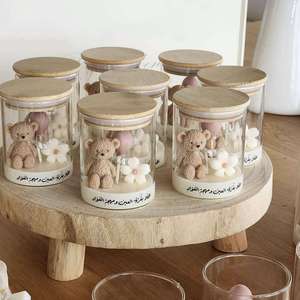
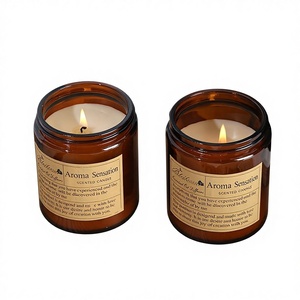
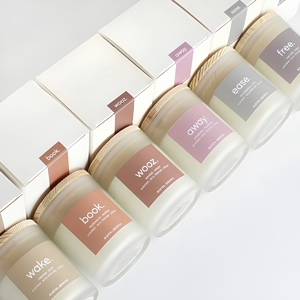
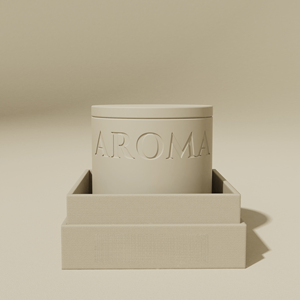
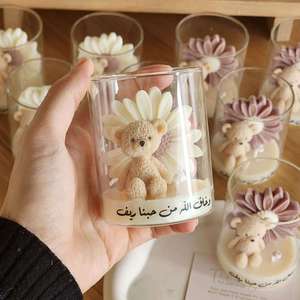
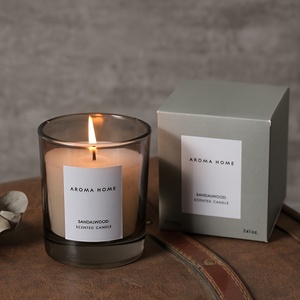
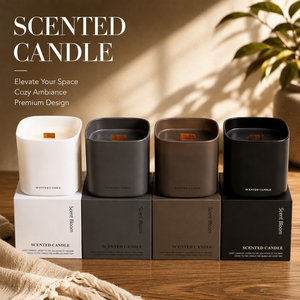
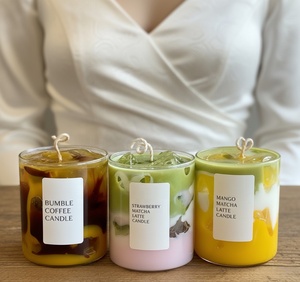
The global home fragrance market is undergoing a structural paradigm shift driven by heightened consumer focus on olfactory wellness, functional interior decor, and sustainable sensory luxury. Valued at over USD 12.8 billion globally, the category demands unprecedented manufacturing precision, chemical compliance, and supply chain agility. As China’s premier home fragrance contract manufacturer and exporter, our enterprise integrates raw material synthesis, vessel design, precision wax blending, automated filling, and international regulatory certification into a single seamless OEM/ODM workflow.
Sourcing home fragrance products at scale involves navigating intricate technical variables. The interaction between wax matrix crystallization, capillary wick migration, fragrance oil load percentages, and container thermal shock threshold dictates whether a candle achieves optimum hot throw or succumbs to soot formation, tunneling, and physical degradation during transit. China’s home fragrance supply ecosystem provides an unparalleled advantage in scaling these complex formulations while maintaining rigorous quality control (QC) standards under ISO 22716 and Good Manufacturing Practices (GMP).
Information Gain Key Takeaway: Superior cold and hot scent throw are not merely a function of fragrance oil concentration percentage, but rather the thermodynamic compatibility between the lipid chain length of the wax substrate and the molecular weight distribution of the essential oil compounds.
Our operational infrastructure solves the historic friction points of global fragrance procurement. By maintaining in-house production for natural soy wax purification, coconut-soy compounding, custom ceramic glazing, and precision glass molding, we eliminate vendor stack margins while guaranteeing batch-to-batch repeatability. Global brand owners gain direct access to proprietary olfactory formulation libraries exceeding 200 IFRA-certified accords, ranging from subtle botanical mists to complex woody ambient fragrances.
B2B buyers, luxury department store procurement managers, and direct-to-consumer (DTC) brand strategists must anticipate upcoming regulatory shifts, consumer scent preferences, and material innovations to stay competitive. Our R&D division continuously monitors international trade policy and material science advancements to future-proof your product lines.
Transition from petroleum paraffin to fully renewable soy, coconut, beeswax, and hydrogenated rapeseed blends. Sustainable waxes exhibit lower melt points, soot-free combustion, and superior biodegradable footprints without compromising fragrance holding capacity up to 12% load.
Stringent compliance enforcement across the EU (REACH & CLP) and California Proposition 65 demands total eradication of phthalates, nitro-musks, and volatile organic compounds (VOCs). Future-ready formulations utilize synthetic bio-identical molecules paired with traceable natural essential oils.
Consumers view candles and diffusers as interior art pieces. Sourcing trends prioritize textured ceramics, honed marble, frosted apothecary glass, upcycled coconut shells, and hand-carved concrete vessels designed for secondary post-burn functional utility in modern homes.
Innovations in wick technology have introduced micro-laminated planar FSC-certified wooden wicks that produce a distinct acoustic crackle reminiscent of a hearth fire. When combined with multi-layered fragrance pyramids (top, middle, and base note releases timed to specific melt pool temperatures), these candles provide a sensory experience that commands premium retail price points in Western markets.
Evaluating supplier capabilities requires precise engineering parameters. Below is a comparative baseline matrix utilized by our contract manufacturing division to guide brand managers in selecting the optimal wax matrix, wick geometry, and container compatibility for their target consumer demographics.
| Wax Base / Material | Melting Point (°C) | Fragrance Load Max | Combustion Characteristics | Best Suited Application | Regulatory Status |
|---|---|---|---|---|---|
| 100% Pure Soy Wax | 48°C – 52°C | 8% – 10% | Clean, soot-free, slow burn pool | Glass Jar / Container Candles | FDA Food-Grade, REACH Compliant |
| Coconut-Soy Hybrid | 45°C – 50°C | 10% – 12% | Ultra-smooth surface, superior hot throw | Luxury Private Label Collections | IFRA 51st Standard, Prop 65 Clear |
| Natural Yellow Beeswax | 62°C – 65°C | 6% – 8% | High hardness, naturally honey-scented | Pillar, Taper & Sculptural Candles | USDA Bio-Based Certified |
| Microcrystalline Gel / Jelly | 68°C – 75°C | 5% – 7% | High transparency, long burn duration | Decorative & Novelty Party Candles | EN 15493 Safety Standard Passed |
| Glazed Ceramic / Porcelain | N/A (Vessel) | N/A | High thermal shock resistance (>200°C) | High-End Home Decor & Giftware | Heavy Metal / Lead Free Glaze |
Quality Assurance Tip: For transatlantic ocean freight during summer months, candles formulated with low melting point coconut waxes require container temperature monitoring or re-formulation with micro-wax stabilizers to prevent container sweating and oil separation during transit through tropical marine passages.
As a leading Chinese supplier, our factory operates standardized production protocols designed to streamline custom prototyping, bulk filling, and international export logistics. We provide full transparency throughout the product development lifecycle.
Concept definition, scent pyramid mapping, target price point establishment, and regulatory market specification (EU, US, AU, GCC).
Fragrance blending, wax matrix pairing, wick burn pool calibration, soot index measurement, and initial 48-hour burn cycle testing.
Thermal stability testing inside climate chambers (0°C to 50°C), GC-MS scent analysis, and carton drop-testing according to ISTA standards.
Automated temperature-controlled pouring, cooling tunnel setting, private label branding, shrink wrapping, and palletized ocean dispatch.
Our dedicated chemical engineering team collaborates with top perfumers across Grasse, France and Shanghai, China to synthesize exclusive fragrance notes. Whether your brand requires calming lavender chamomile accords for wellness lines or rich leather amber tobacco notes for luxury boutique stores, our fragrance oils undergo gas chromatography-mass spectrometry (GC-MS) verification to ensure batch stability, allergen disclosure accuracy, and long-term scent throw retention.
Clear answers to common technical, logistics, and compliance questions asked by international buyers during procurement evaluations.
Our standard production MOQ starts at 500 to 1,000 units per SKU for standard glass jars and vessels with custom labels and custom scent selection. For bespoke ceramic moulds, custom color-coated glass, or specialized rigid gift boxes, the MOQ typically ranges between 1,500 and 3,000 units depending on raw material tooling requirements.
Every production lot undergoes rigorous burn safety evaluations adhering to EN 15493 (Flame Height & Soot Behavior), EN 15494 (Product Safety Labeling), EN 15426 (Sooting Behavior), and ASTM F2179 (Container Glass Thermal Shock Resistance). We provide comprehensive Safety Data Sheets (SDS), IFRA 51st conformity certificates, and CLP compliant packaging artwork data prior to mass export dispatch.
Cold throw refers to the scent intensity emitted by a candle at room temperature when unlit; hot throw measures scent dispersion while the wax pool is fully melted during combustion. Optimization requires adjusting the fragrance oil absorption threshold into the wax crystal structure, selecting lead-free cotton or wood wicks with correct capillary draw rates, and aging filled candles for a mandatory curing period (7–14 days for soy wax).
Yes. Over 80% of our global export volume utilizes 100% natural soy wax, coconut wax, or hydrogenated vegetable wax bases that are completely free from petroleum paraffin, palm oil additives, animal testing derivatives, and toxic heavy metals. We also source unbleached, zinc-free cotton wicks and FSC-certified natural wooden wicks.
Fragrance products are packaged using heavy-duty double-wall corrugated export cartons reinforced with custom EPE foam inserts, thermo-molded pulp trays, and corner protection edgeboards. Cartons pass ISTA 1A drop-testing (1-meter drop on 10 strike zones). For ocean freight passing through equatorial transit routes, thermal insulation blankets and humidity control desiccants are placed inside containers to prevent wax deformation and label moisture damage.
Custom fragrance matching and lab sample creation takes 7 to 10 working days. Once pre-production samples and dieline artwork are approved by your team, mass manufacturing typically requires 20 to 28 calendar days. Express air freight sampling and container sea freight logistics (FOB, CIF, DDP/DDU) are managed directly by our export documentation team.