Direct factory inventory and custom manufacturing components ready for bulk export.
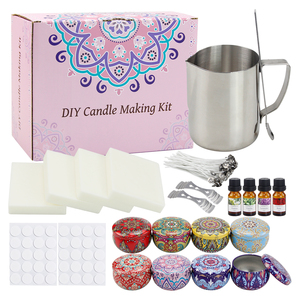
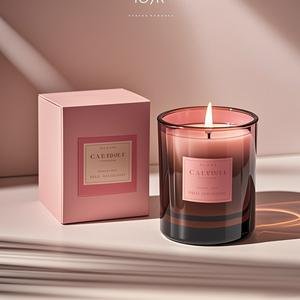
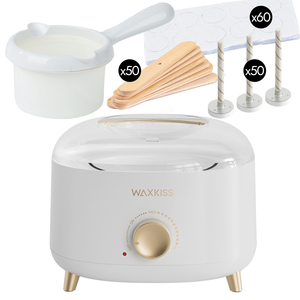
Understanding supply chain dynamics, raw material volatilities, and structural shift toward sustainable OEM/ODM partnerships.
The global luxury home fragrance market is undergoing a seismic technical transformation. Valued at over $12.8 Billion USD in 2025, commercial buyers, boutique private label founders, and retail chains are recalibrating their sourcing criteria. Sourcing candle making supplies is no longer merely an exercise in finding cheap paraffin wax or low-cost vessel suppliers; it is an integrated chemical, thermodynamic, and regulatory engineering discipline.
As consumer preferences pivot aggressively toward non-toxic, clean-burning, and environmentally responsible home scenting solutions, procurement directors must vet manufacturers based on rigorous technical qualifications. Modern candle production requires deep mastery over wax substrate chemistry, fragrance load stability, wick capillary dynamics, and automated thermal-filling technologies.
According to recent industry compliance audits, over 42% of imported candle product rejections at customs arise from non-compliant fragrance loading, insufficient safety data sheets (SDS/MSDS), or structural container failure during stress transit tests. Partnering with a fully certified OEM manufacturer with in-house laboratory testing eliminates these commercial bottlenecks.
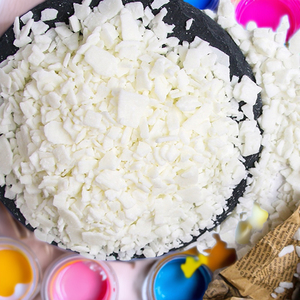
Engineered soy wax (such as Soy 464), coconut-soy blends, and pure beeswax provide superior cold and hot scent throw while eliminating soot formation and carcinogenic benzene emissions.
Complete documentation packages supplied with every batch, including IFRA 51st Amendment conformity certificates, SDS, CLP allergen mapping, and EU/FDA labeling adherence.
Flexible procurement options ranging from low-MOQ (500 units) starter runs for boutique validation to 50,000+ unit monthly automated production for established global retail brands.
A comparative evaluation of leading global OEM/ODM producers, specialized material suppliers, and turnkey kit providers.
Evaluating vendor capabilities requires comparing production infrastructure, material specialization, minimum order quantities (MOQs), and compliance standards. Below is an industry comparative analysis of the top global manufacturing tiers:
| Manufacturer Tier / Region | Core Material Specialty | Target MOQ | Lead Time | Key Compliance & Certifications |
|---|---|---|---|---|
| 1. Numen Spark (India OEM/ODM) | Soy, Coconut-Soy, Beeswax, Apothecary Diffusers | 500 Units | 18–22 Days | IFRA Certified, SDS/MSDS, CLP, Drop-Tested |
| 2. North American Luxury Pours | Paraffin-Soy Blends, Custom Metal Vessels | 2,500 Units | 30–45 Days | ASTM F2417, US CPSC Compliant |
| 3. East Asian Bulk Producers | Mass Paraffin, Automated Jar Assembly | 5,000 Units | 25–35 Days | ISO 9001, BSCI Audited |
| 4. European Boutique Fragrance Houses | Fine Perfumery Wax, Hand-Blown Glass | 1,000 Units | 40–60 Days | REACH Compliant, CLP Regulation (EC) 1272/2008 |
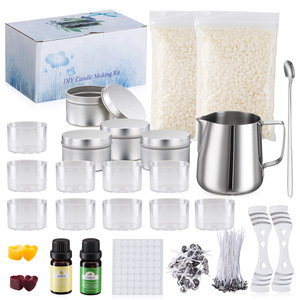
| 5. High-Volume DIY Kit Suppliers | Pre-packaged Soy 464 Flakes, Starter Machinery | 100 Kits | 7–12 Days | Consumer Safety Packaging Standards |
| 6. Specialized Vessel Fabricators | Matte, Iridescent, Heavy-Base Borosilicate Glass | 1,000 Jars | 15–20 Days | Thermal Shock Passed (Delta T > 90°C) |
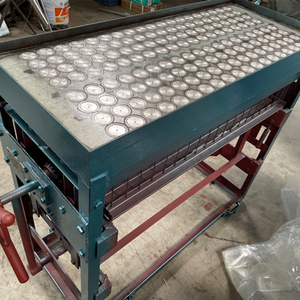
| 7. Industrial Machine Manufacturers | Household & Automatic Piston Pouring Machines | 1 Unit | 10–15 Days | CE Machinery Directive Certified |
| 8. Organic Beeswax Specialists | 100% Pure Filtered Honeycomb Wax Pillars | 500 Units | 20–25 Days | USDA Organic / Non-GMO Certified |
| 9. Artisanal Reed & Diffuser Bottlers | DPG-Free Carrier Bases, Apothecary Glass | 500 Units | 14–20 Days | VOC-Compliant Air Quality Standards |
| 10. Custom Packaging & Box Printers | Rigid Gift Boxes, Foil-Stamped Sleeves | 1,000 Boxes | 12–18 Days | FSC Certified Recycled Paperboard |
Soy Wax 464 has become the cornerstone of modern sustainable candle manufacturing. Derived from hydrogenated soybean oil, its molecular structure contains specific soy-based emulsifiers that lower melting points to 45°C – 48°C (113°F – 118°F). This precise melting band provides two major physical advantages: optimal container adhesion and rapid melt pool formation, essential for maximizing hot scent throw without thermal degradation of fragrance notes.
However, pure soy wax is prone to surface frosting and polymorphic crystallization due to lipid re-crystallization post-cooling. To counteract this, expert OEM manufacturers blend soy with refined coconut wax (melting point 38°C – 42°C). Coconut wax acts as a natural plasticizer, enhancing fragrance oil retention up to 10%–12% by weight without weeping or oil separation during elevated storage temperatures.
The wick serves as the thermal engine of the candle. Improper wick selection leads to severe commercial failures: soot accumulation, tunnelling, glass overheating, or flame extinction. The capillary draw rate must exactly match the viscosity of the melted wax pool and the specific gravity of the infused fragrance oils.
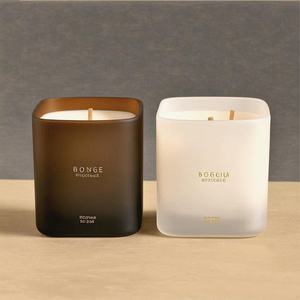
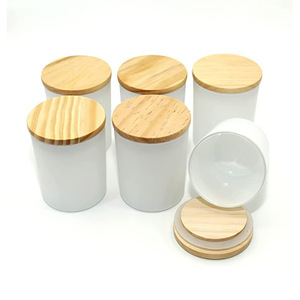
Glass container integrity is paramount for brand liability protection. Standard non-tempered glass risk cracking under sustained thermal exposure when the flame reaches the bottom 15% of the vessel. Commercial-grade candle jars—such as white matte 8oz, 10oz, 12oz, and 16oz thick-bottom vessels—are manufactured using high-borosilicate or soda-lime glass with reinforced bases. They undergo compulsory thermal shock resistance testing (Delta T of at least 90°C) to ensure structural safety under prolonged burn cycles.
Anticipating regulatory updates, sustainable raw material innovations, and smart factory technologies.
The market is shifting rapidly from petroleum paraffin toward zero-VOC, upcycled agricultural side-streams (such as repurposed olive wax and waste coconut oils), drastically reducing carbon footprint metrics on corporate sustainability scorecards.
Next-generation fragrance oil formulations utilize micro-encapsulation technology to protect volatile top notes from heat degradation during wax pouring, extending shelf-life scent throw stability beyond 24 months.
Modern factories deploy infrared sensor arrays across automated cooling tunnels. Real-time temperature control guarantees uniform wax contraction, eliminating internal cavities and sinkholes without manual reheating.
Direct technical responses to common OEM manufacturing inquiries.
Integrated manufacturing excellence crafted in India, trusted by global luxury retailers.
Established in 2016 in New Delhi, India, Numen Spark operates a state-of-the-art home fragrance manufacturing facility. Unlike intermediaries or trading firms that outsource production to third parties, Numen Spark manages every critical phase of candle creation under one roof: from raw wax blending and fragrance formulation to automated pouring, curing, container labeling, and drop-tested export casing.
By maintaining absolute ownership over the manufacturing chain, Numen Spark delivers consistent quality tolerances whether you order 500 boutique units or scale up to 50,000 units per month for international retail chains. Our specialized facilities process natural soy wax 464, coconut-soy blends, pure organic beeswax, and refined paraffin matrices with lead-free cotton or crackling wooden wicks.
Over 200+ ready-to-pour IFRA certified fragrances across woody, floral, oriental, and gourmand olfactory families.
Every single batch undergoes 24h, 7-day, and 14-day cure burn tests checking melt pool diameter, flame height, and container temperature safety.
Regularly exporting directly to brands in the USA, Canada, UK, EU, UAE, Saudi Arabia, Australia, Japan, and Singapore with complete customs clearance paperwork.