Explore our high-grade beeswax pellets and finished contract-manufactured apiculture applications crafted for international luxury brands, cosmetic formulators, and global retailers.
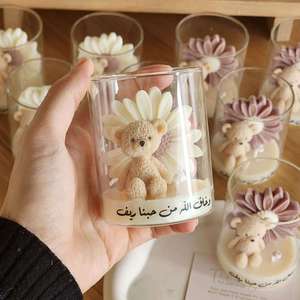
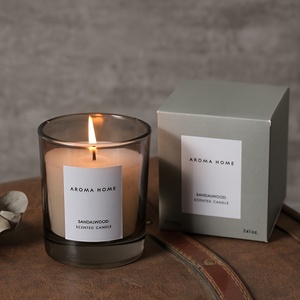
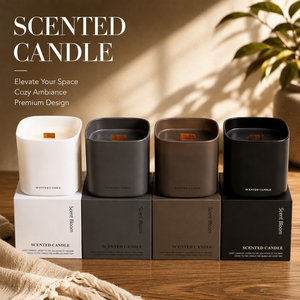
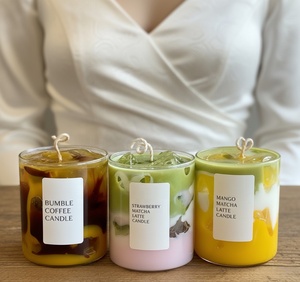
In the evolving landscape of global B2B procurement, securing a reliable, unadulterated, and chemically verified source of raw wax materials is paramount for manufacturers across cosmetics, pharmaceuticals, food preservation, and luxury candlemaking. As a premier Top Trusted Beeswax Pellets Supplier & Exporter, our organization delivers enterprise-grade yellow and white beeswax pastilles (Cera Alba) refined under ultra-strict apicultural standardizations and certified laboratory oversight.
Beeswax pellets (also referred to as beeswax beads or pastilles) represent the gold standard in physical raw material processing. Unlike traditional solid blocks, pelletized beeswax offers unprecedented operational efficiencies: rapid thermal absorption, homogenous melt pool formation, minimal energy consumption during manufacturing, and highly accurate automated dosing. However, market saturation with synthetic paraffin fillers, microcrystalline wax additives, and hydrogenated tallow adulterations has heightened procurement risks. This industry whitepaper outlines technical selection frameworks, analytical verification methods, supply chain dynamics, and regulatory compliance standards essential for high-volume B2B buyers.
Authentic beeswax synthesized by honeybees (primarily Apis mellifera) is a complex mixture of over 300 organic compounds, predominantly monoesters, diesters, aromatic hydroxyesters, free fatty acids, and saturated hydrocarbons. Maintaining precise chemical metrics is mandatory to ensure downstream performance in lip balms, emulsion creams, tablet coatings, and structural candles.
| Technical Property | White Beeswax Pellets (Bleached) | Yellow Beeswax Pellets (Pure Natural) | Standard Testing Methodology |
|---|---|---|---|
| Appearance | White to Off-White Uniform Pastilles | Golden Yellow to Light Amber Pastilles | Visual / Colorimetry (Lovibond) |
| Melting Point Range | 62°C – 65°C (143.6°F – 149°F) | 61°C – 65°C (141.8°F – 149°F) | ISO 6321 / ASTM D127 |
| Acid Value (mg KOH/g) | 17.0 – 24.0 | 17.0 – 22.0 | Ph. Eur. 2.5.1 / USP <401> |
| Saponification Value | 87.0 – 104.0 mg KOH/g | 89.0 – 103.0 mg KOH/g | Ph. Eur. 2.5.6 / ISO 3657 |
| Ester Value | 70.0 – 80.0 | 72.0 – 79.0 | Calculated (Saponification - Acid) |
| Ester / Acid Ratio | 3.3 – 4.3 | 3.6 – 4.3 | Purity Verification Index |
| Hydrocarbon Content | 14.0% – 15.5% Max | 14.0% – 15.0% Max | GC-MS (Gas Chromatography) |
| Purity / Adulteration | Paraffin & Stearic Acid Free | Paraffin & Resin Free | Differential Scanning Calorimetry |
Understanding the distinction between white and yellow beeswax pastilles is critical during procurement. Yellow Beeswax Pellets undergo physical centrifugation, multi-stage micro-filtration, and water washing to eliminate organic debris while preserving the natural propolis aroma and golden carotene pigments. Conversely, White Beeswax Pellets undergo eco-friendly physical sun-bleaching or activated carbon/diatomaceous earth adsorption processes without chemical chlorine treatment. White pastilles are highly prized by cosmetic formulators requiring a neutral base color that does not interfere with delicate color cosmetics or synthetic pigments.
The unique rheological and emulsifying properties of beeswax pastilles make them indispensable across diverse manufacturing sectors. Below are the primary industrial applications supported by our global supply infrastructure:
Serves as a natural film-forming agent, emulsion stabilizer, and viscosity modifier in lipsticks, body balms, mascara, and anti-aging crèmes. Protects cutaneous moisture layers without occluding pores.
USP/Ph. Eur. compliant pastilles used in tablet polishing, controlled-release encapsulation matrices, surgical waxes, and barrier salves. Guarantees zero residual solvents or chemical toxins.
Produces slow-burning, non-toxic candles emitting air-purifying negative ions and a subtle honey aroma. Eliminates soot, tunneling, and structural brittleness inherent to paraffin substitutes.
FDA 21 CFR 184.1973 compliant coatings for cheese ripening, fruit glossing, and reusable food wraps. Acts as a biodegradable hydrophobic barrier extending produce shelf life.
The global natural wax industry is undergoing a structural paradigm shift driven by stringent regulatory frameworks, environmental consciousness, and clean-label consumer preferences. Procurement executives must navigate four macro trends reshaping the global beeswax supply chain:
Multinational cosmetic conglomerates and boutique personal care brands are actively phasing out petroleum-derived paraffin wax, microcrystalline wax, and synthetic silicones. Formulators are turning to ethically sourced beeswax pastilles to meet consumer demands for microplastic-free, non-toxic, and biodegradable ingredients. This shift has accelerated annual demand for certified white and yellow beeswax by 8.4% CAGR globally.
Adulteration remains the single largest threat in raw wax sourcing. Unscrupulous suppliers frequently blend pure beeswax with low-cost paraffin, palm wax, or synthetic stearic acid. Modern global procurement protocols require batch-specific Gas Chromatography-Mass Spectrometry (GC-MS) and Fourier-Transform Infrared Spectroscopy (FTIR) certification. Our refinery enforces 100% chromatographic fingerprinting to verify hydrocarbon integrity (ensuring alkane chains match authentic apicultural profiles).
Regulatory authorities including the EU (under REACH and ESG transparency directives) and the US FDA require complete supply chain visibility from apiary to exported pastille. Enterprise buyers are prioritizing suppliers with transparent hive-to-factory documentation, ensuring ethical treatement of honeybee colonies, pesticide-free foraging grounds, and fair-trade compensation for beekeepers.
Industrial automation in cosmetic and candle manufacturing facilities has rendered traditional 5kg or 25kg wax slabs obsolete. Uniformly extruded pastilles (2mm – 4mm diameter) allow for pneumatic conveying, automated hopper feeding, and precise gravimetric dosing. This reduces thermal melting cycle times by up to 40%, significantly cutting operational energy overheads for commercial factories.
To guarantee that every batch of exported beeswax pellets meets stringent global standards, our modern refining facilities operate under ISO 9001:2015 and GMP certified environments. Our multi-stage purification protocol includes:
Combining ten years of refining excellence, contract manufacturing capabilities, and global export compliance under one unified roof.
We source raw honeycomb directly from audited apiculture cooperatives across pristine foraging zones. Guaranteed zero paraffin, microcrystalline wax, heavy metals, or synthetic additives.
Every shipment is accompanied by comprehensive CoA (Certificate of Analysis), SDS/MSDS, IFRA compliance certificates, REACH registration, and origin documentation for seamless customs clearance.
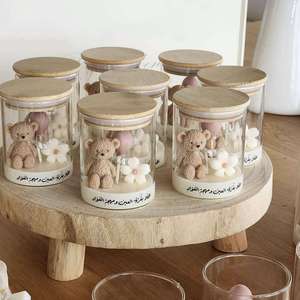
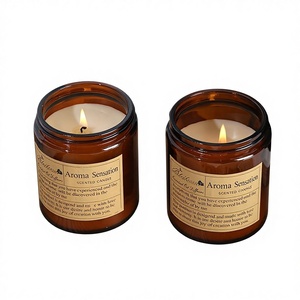
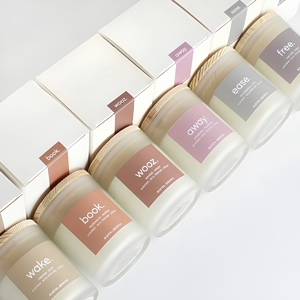
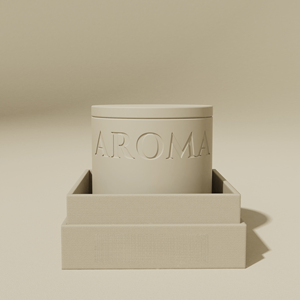
Beyond raw pellet supply, our in-house manufacturing lines support private label pouring, custom scent blending, container candlemaking, and bespoke packaging for global retail brands.
We export to over 50 countries using climate-controlled container shipping, palletized anti-caking shrink wrapping, and drop-tested export cartons designed to withstand tropical transit.
Clear, direct answers for raw material buyers, quality assurance managers, and contract formulators.
Every raw batch undergoes rigorous in-house and third-party laboratory verification using Gas Chromatography-Mass Spectrometry (GC-MS) and Differential Scanning Calorimetry (DSC). We test for ester value, acid value, drop melting point, and hydrocarbon ratio to ensure 100% compliance with USP/Ph. Eur. purity standards before issuing batch CoAs.
Cosmetic Grade (Cera Alba) undergoes ultra-fine multi-stage filtration and vacuum deodorization, ensuring low peroxide values, white color clarity, and zero skin irritants. Industrial Grade retains natural carotene tones and propolis aromas, optimized for technical polishes, leather treatments, and agricultural packaging applications.
Our standard MOQ for wholesale bulk pastilles is 500 kg (palletized). For full container loads (20ft FCL ~ 14 MT), production and container stuffing take 10 to 15 business days following sample approval and LC/TT sign-off. Pre-production sample kits (1kg – 5kg) are available within 3 business days.
Pastilles are packed in double-walled, polyethylene-lined 25kg craft paper bags or moisture-sealed 1000kg bulk super sacks. Pallets are thermo-wrapped with UV-reflective shrink film. For transit through equatorial zones, we provide temperature-controlled reefer containers upon request.
Yes. Our R&D laboratory specializes in custom apiculture blends, incorporating natural coconut wax, soy wax, or botanical oils to tailor specific melt pool diameters, viscosity parameters, or fragrance absorption capabilities for OEM candle and cosmetic clients.
Every commercial export consignment includes: Certificate of Analysis (CoA), Safety Data Sheet (SDS/MSDS), IFRA Conformity Declaration, Certificate of Origin (COO), Commercial Invoice, Packing List, and Phytosanitary / Veterinary Health Certificates required by importing customs authorities.