Explore our industrial-grade, thermal-shock-resistant vessel lineup tailored for high-end retail candles.
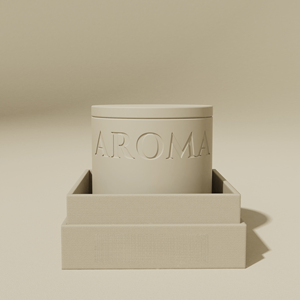
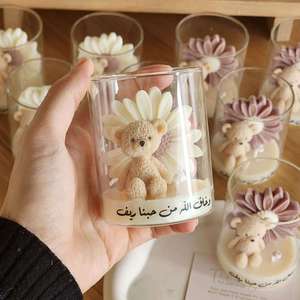
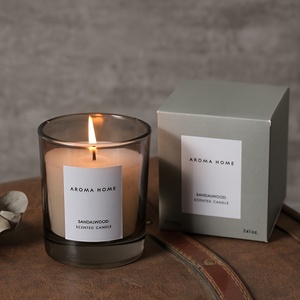
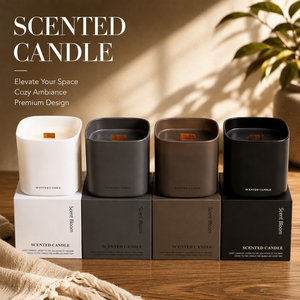
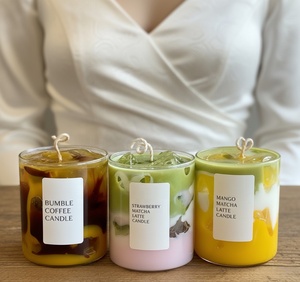
From structural material analysis to automated precision pouring, our manufacturing standards ensure absolute brand compliance and zero defect rates.
Every batch of glass and ceramic vessels undergoes rigorous ASTM F2179 thermal strain testing, enduring internal melt pool temperatures exceeding 90°C without micro-fracturing or stress degradation.
We craft bespoke 3D vessel geometries, internal/external lacquering, electroplating, hydrophobic inner coatings, screen printing, and hot-stamping aligned precisely with your brand guidelines.
All vessels and finished poured products carry comprehensive safety data documentation including IFRA conformity certificates, SDS/MSDS, EU CLP allergen compliance, and REACH certification.
In the luxury home fragrance and commercial candle industries, the candle vessel is far more than a decorative enclosure. It serves as an active thermal management system, a crucial chemical barrier against fragrance degradation, and the primary physical touchpoint for consumer luxury perception. As global candle procurement shifts toward eco-conscious materials, multi-wick formats, and complex scent loads, brand managers and sourcing directors must navigate complex material science to prevent thermal shock failure, soot buildup, and scent throw degradation.
Executive Procurement Summary: Selecting a candle vessel manufacturer requires assessing structural density, Coefficient of Thermal Expansion (CTE), chemical resistance to high fragrance oil percentages (8–12%), and compliance with international glass safety standards like ASTM F2179. Partnering with an integrated manufacturer offering both container fabrication and wax pouring eliminates component mismatch risks.
Choosing the correct vessel material dictates not only aesthetic value but also the thermodynamic behavior of the candle during long burn cycles. Below is an engineering comparison of primary vessel substrates used in luxury candle production:
| Vessel Substrate | Thermal Shock Limit (ΔT) | Fragrance Load Suitability | Primary Industrial Advantage | Standard MoQ |
|---|---|---|---|---|
| Heavy-Base Soda-Lime Glass | 50°C – 65°C | Up to 12% Scent Load | High transparency, cost-efficient scaling | 500 Units |
| Borosilicate Glass (Thin/Double Wall) | 120°C – 150°C | Up to 15% Scent Load | Superior heat tolerance, zero thermal cracking | 500 Units |
| Internal Glazed Ceramic / Porcelain | 80°C – 100°C | Up to 10% Scent Load | Tactile luxury finish, excellent heat retention | 500 Units |
| Sealed Natural Marble / Onyx | 70°C – 90°C | Up to 10% Scent Load | Bespoke aesthetic, premium retail pricing power | 500 Units |
| Anodized Aluminum / Tinplate | 150°C+ | Up to 8% Scent Load | Shatterproof export, lightweight, fast melt-pool | 1,000 Units |
When engineering custom candle vessels, factories must adhere strictly to physical parameters that ensure consumer safety and vessel integrity during extended burn periods. Failure to account for thermal dissipation can result in vessel cracking, wax leaks, or excessive surface temperatures.
A. Annealing Lehr Cycle Optimization: Glass vessels must pass through a controlled temperature-reduction process known as annealing. Unannealed glass contains internal stress lines invisible to the naked eye. When exposed to a hot flame and expanding melt pool, unannealed glass experiences localized thermal expansion, leading to explosive stress fractures. Our production facility utilizes automated polariscopes to audit internal strain on 100% of glass batches.
B. Vessel Diameter to Wick Ratio: The internal geometry of the vessel governs airflow dynamics and heat build-up. A vessel with a narrow neck relative to its base traps combustion gases, starving the flame of oxygen and causing excessive soot deposits. Conversely, excessively wide vessels require multiple wicks (2-wick or 3-wick configurations) to achieve a complete edge-to-edge melt pool within 2 to 3 hours, preventing "tunneling."
C. Internal Lacquer and Fragrance Compatibility: For colored glass vessels where paint or lacquers are applied to the inner wall, the chemical formulation of the coating is vital. Pure essential oils and synthetic fragrance compounds contain solvents that can dissolve low-grade interior coatings. We utilize hydro-phobic, high-cured epoxy linings that remain inert when exposed to molten soy, coconut, beeswax, or paraffin wax blends.
The global luxury home fragrance market is undergoing a structural evolution driven by sustainability regulations, consumer lifestyle shifts, and industrial automation. Procurement officers must align their inventory strategies with these four emerging macro-trends:
1. Monomaterial & Refillable Vessel Systems: Brand loyalty is increasingly tied to sustainability. Modern consumers favor heavy-weight, heirloom-quality ceramic or glass vessels designed for infinite refills via pre-poured wax inserts. Designing standardized internal taper angles allows seamless insertion of drop-in refills.
2. Architectural & Asymmetrical Sculptural Geometries: Moving beyond simple cylindrical jars, brands are requesting fluted glass, ribbed surfaces, oval profiles, and brutalist geometric ceramics. These designs require advanced mold manufacturing capabilities to maintain consistent wall thickness across complex corners.
3. Tactile Finishes & Soft-Touch Matte Coatings: Matte powder coatings, frosted rubberized finishes, and coarse ceramic textures are replacing glossy surfaces. These finishes not only elevate the sensory opening experience but also conceal fingerprints and small surface blemishes during retail handling.
4. Dark-Tinted & UV-Protective Glass Formulations: High-end organic candles utilizing pure essential oils are prone to light-induced discoloration and oxidation. Deep amber, cobalt blue, opaque black, and violet UV-blocking glass vessels protect volatile scent top notes from degrading under retail store lighting.
We bridge the gap between container factory production and automated candle filling, providing a unified supply chain under one roof.
We transition your design concepts into precise 3D CAD renders and steel mold tooling. Custom vessel samples are produced within 7 to 14 days for physical inspection and flame testing.
Access our library of 200+ fine fragrances or brief our perfumers for custom accords. We handle precision blending into 100% natural soy wax, coconut wax blends, or refined beeswax.
Every finished batch undergoes drop-tested master carton packing, palletization, barcoding, and custom clearance export documentation for seamless delivery to over 12 countries.
Key information regarding minimum order quantities, production timelines, custom molds, and safety compliance.
Our standard production MOQ is 500 units per SKU/vessel design for stock container geometries with custom colors or logo printing. For completely bespoke glass or ceramic mold developments requiring custom tooling, our entry threshold starts at 1,000 to 3,000 units depending on structural complexity.
Every vessel production batch undergoes rigorous laboratory testing under ASTM F2179 guidelines. Vessels are subjected to rapid temperature deltas (ΔT ≥ 50°C to 90°C), internal hydrostatic pressure tests, and full 4-hour continuous burn cycle evaluations with maximum wick heat output to ensure zero structural failure.
Yes. We offer precise Pantone Matching System (PMS) color replication for glossy, matte, semi-translucent frosted, and iridescent spray finishes. Our high-temperature cured organic coatings ensure the finish will not peel, discolor, or react with hot fragrance oils during burning.
Absolutely. We operate as a full-service OEM/ODM manufacturer. Brands can either purchase empty, branded candle vessels in bulk or utilize our integrated contract pouring service, where we supply the vessel, blend the wax and fragrance, wick, pour, cure, package, and ship finished products.
All consignments ship with comprehensive documentation including Material Safety Data Sheets (MSDS/SDS), IFRA Conformity Certificates for poured goods, REACH compliance files for EU markets, Certificate of Origin, and drop-tested export packaging certification for international ocean or air transit.
Initial vessel sampling and 3D proofing typically take 7 to 14 days. Once physical samples and packaging dielines are signed off, full bulk manufacturing requires 18 to 25 working days. Reorders on established container molds are processed on an expedited 15-day production cycle.
Partner with a top-trusted vessel manufacturer. Request our comprehensive physical material catalog, sample pack, and wholesale pricing guide today.