Custom-poured coconut wax and natural soy formulations crafted for global retail brands, boutique collections, and wholesale distribution.
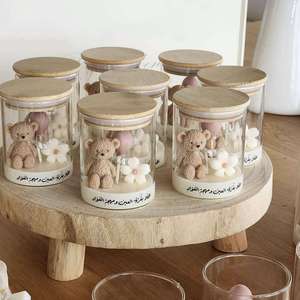
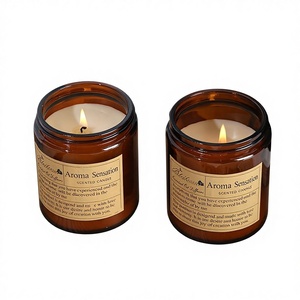
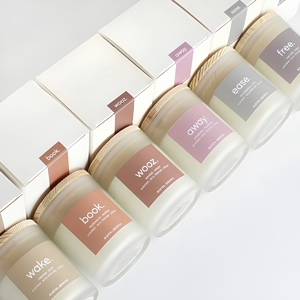
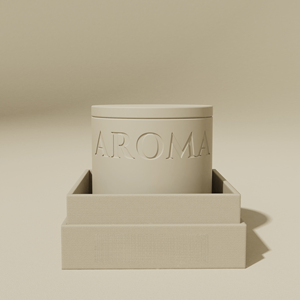

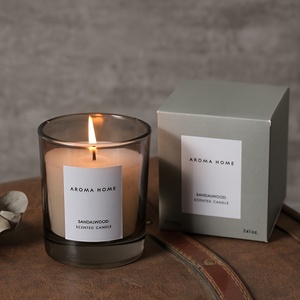
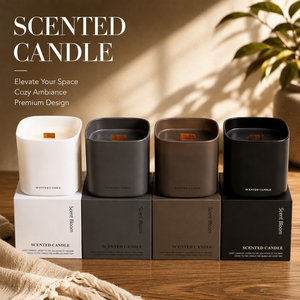
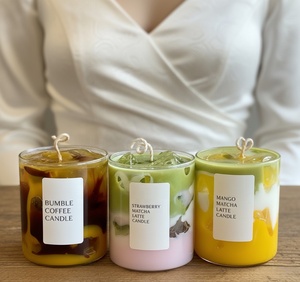
As regulatory frameworks across North America and the European Union tighten around indoor air quality (IAQ) and volatile organic compounds (VOCs), global brand owners are transitioning away from petroleum-derived paraffin wax towards hydrogenated botanical lipids. Coconut wax represents the pinnacle of this botanical shift. Derived from cold-pressed hydrogenated coconut oil (Cocos nucifera), coconut wax offers superior scent throw, zero toxic soot generation, and a visually pristine melt pool that modern eco-conscious consumers demand.
The molecular composition of coconut wax is dominated by medium-chain fatty acids (MCFAs), primarily lauric acid (C12) and myristic acid (C14). Through controlled hydrogenative esterification, raw coconut oil is converted into a stable solid lipid complex with precise physical specifications:
| Chemical / Physical Metric | Hydrogenated Coconut Wax | Hydrogenated Soy Wax (GW464) | Refined Paraffin Wax |
|---|---|---|---|
| Melting Point Range | 38°C – 44°C (100.4°F – 111.2°F) | 45°C – 53°C (113°F – 127.4°F) | 56°C – 62°C (132.8°F – 143.6°F) |
| Maximum Fragrance Load | 10% – 12% by weight | 7% – 9% by weight | 6% – 8% by weight |
| Crystal Polymorphism | Beta-prime (β') Fine Needles | Beta (β) Large Platelets | Amorphous Crystalline |
| Soot Index (DIN 6059-1) | < 0.05 mg/m³ (Virtually Zero) | < 0.15 mg/m³ | > 0.80 mg/m³ |
| Surface Shrinkage Rate | Minimal (< 0.5%) - Self-Leveling | Moderate (1.5% - 3.0%) | High (> 4.0%) - Frosting Risk |
Because pure coconut wax has a low melting point, formulated commercial candles utilize a proprietary triglyceride matrix—blending hydrogenated coconut oil with natural soy wax, beeswax, or plant-derived stearic acid. This precise formulation ensures structural stability during transatlantic shipping while maintaining the luxurious, creamy burn characteristics unique to coconut lipids.
One of the primary challenges for candle contract manufacturers is fragrance syneresis—commonly known as "sweating"—where aromatic compounds leach out of the solid wax matrix at elevated ambient temperatures. Coconut wax solves this through superior molecular entrapment.
The short to medium chain lengths of coconut fatty acids form a fine, interlocking beta-prime (β') crystal lattice upon cooling. This microscopic lattice traps high-volatility aromatic molecules within its framework without breaking down. Consequently, private label brands can achieve top-tier scent throw (both cold throw on display shelves and hot throw during active combustion) without requiring synthetic chemical fixatives.
How our ISO 22716 certified facilities ensure batch-to-batch consistency for tier-1 global importers.
Every incoming batch of fragrance oil and refined botanical lipid undergoes GC-MS analysis to verify chemical purity, ensuring strict compliance with IFRA 51st Amendment standards.
Poured candles are cured inside climate-controlled clean rooms held at 22°C with 45% relative humidity for 72 hours, eliminating sinkholes, surface frosting, and vessel delamination.
Our dual-stage automated volumetric dispensers maintain pour temperature precision within ±0.5°C, ensuring exact fragrance distribution from the first to the 50,000th unit.
Shipments undergo ISTA-1A drop-testing and thermal shock endurance trials (-20°C to +55°C) to guarantee zero vessel glass breakage during container sea transit.
Full in-house decoration suite: hydrophobic ceramic glazing, matte powder-coating, hot-stamp foil branding, screen printing, and custom wooden or marble lid fabrication.
Scaling brands can access turnkey manufacturing starting at just 500 units per SKU, supported by fast-track 7-day pre-production sampling for retail sign-offs.
The global home fragrance market is undergoing structural re-engineering driven by environmental compliance, corporate ESG commitments, and shifting consumer sentiment. Importers, brand strategists, and supply chain directors must navigate four macro trends governing B2B procurement over the next decade:
Legislative bodies across Europe (REACH directives) and North America are imposing stricter labeling requirements on petroleum-derived paraffin wax candles due to indoor emissions of benzene, toluene, and formaldehyde. Commercial buyers are aggressively shifting procurement budgets toward 100% renewable plant waxes. Formulated coconut wax—sourced from renewable coconut palm groves—offers a negative-carbon baseline compared to petroleum extraction, safeguarding retail brands against future regulatory bans.
Modern luxury buyers prioritize multi-sensory experiences. Demand for natural FSC-certified wooden wicks has surged by 42% year-over-year. Unlike traditional cotton wicks, wooden wicks paired with low-viscosity coconut wax produce a comforting crackling sound reminiscent of open hearths, alongside a wider flame pool that accelerates fragrance room diffusion.
Single-use glass containers are facing pushback from eco-conscious consumers. The future of high-margin candle retail lies in durable vessel architecture—such as honed natural marble, heavy-walled glazed ceramic, or optical-grade blown glass—designed to receive drop-in coconut wax refills. Contract manufacturers capable of precision-molding wax inserts with consistent shrinkage rates are capturing dominant market share.
Customs brokers and international freight operators now require complete Safety Data Sheets (SDS), Material Safety Data Sheets (MSDS), and CLP allergen compliance labelling at point-of-origin ports. B2B buyers can no longer rely on uncertified suppliers. Working with an export-ready factory that supplies pre-cleared documentation reduces customs delays and eliminates cargo impoundment risks.
Established in 2016 in New Delhi, India, our specialized manufacturing unit (operating under Numen Spark / ENN Homes global export guidelines) has grown into a premier manufacturing hub for international luxury labels. Operating across a state-of-the-art production complex in Nangloi, New Delhi, our facility unites raw wax hydrogenation, custom fragrance compounding, vessel decorating, and secondary packaging under one rigorous Quality Management System (QMS).
Access over 200 ready-to-pour fragrance accords spans across Woody, Floral, Citrus, Oriental, and Gourmand profiles, or brief our master perfumers to create exclusive, proprietary signature scents.
From raw soy and coconut wax melting tanks to DPG-free diffuser bases, room spray filling lines, and custom rigid box printing—we eliminate third-party markup and control quality end-to-end.
Exporting to over 12 tier-1 economies including US, CA, UK, DE, FR, NL, AE, SA, SG, and AU with full FOB, CIF, or DDP (Door-to-Door Delivered Duty Paid) shipping options.
Direct technical and commercial answers to streamline your custom candle sourcing strategy.
Launch your luxury botanical candle collection with certified engineering, zero-compromise burn performance, and flexible OEM/ODM terms tailored for growing global brands.
Inquire Now