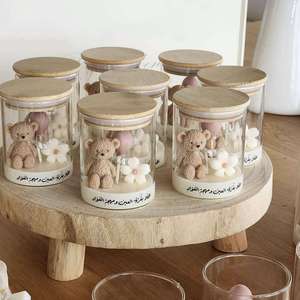
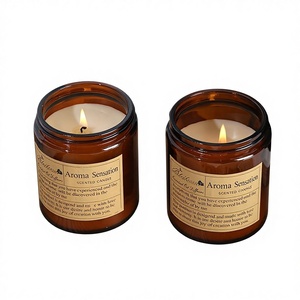
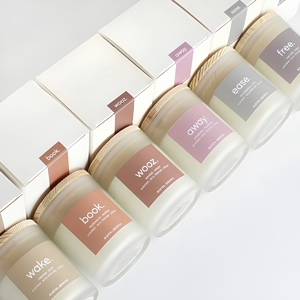
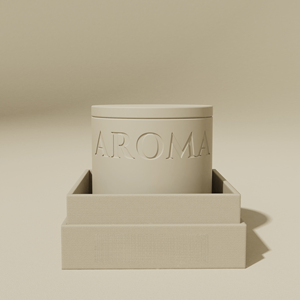
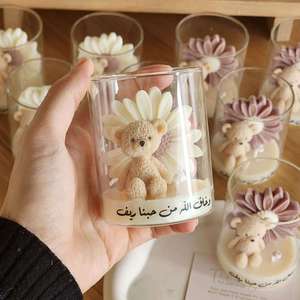
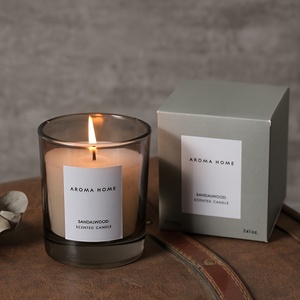
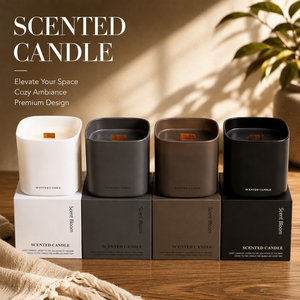
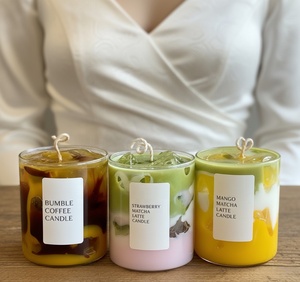
Explore our export-ready candle line crafted with non-toxic, eco-friendly coconut-soy wax matrices engineered specifically for luxury Asian and European compliance standards.
1. Whitepaper Analysis: Navigating South Korea’s Modern Home Fragrance Ecosystem
The South Korean lifestyle and home fragrance market has underwent a dramatic transformation. Korean consumers, known for their sophisticated aesthetic preferences and acute safety awareness, are moving away from mass-produced paraffin candles toward clean-burning, non-toxic, eco-sustainable coconut wax formulations. Driven by the philosophy of Sohwakhaeng (small but certain happiness) and a strong preference for refined indoor wellness, home fragrance items in Korea are no longer merely functional—they are central elements of interior architecture and personal identity.
For B2B importers, brand owners, and retail procurement managers targeting South Korea (including luxury boutiques in Gangnam, lifestyle outlets in Seongsu-dong, and online channels like KakaoTalk Gift & Naver Smart Store), selecting the right OEM/ODM manufacturing partner is paramount. South Korean buyers demand three uncompromising pillars: exceptional hot scent throw in compact apartment spaces without soot, rigorous chemical non-toxicity, and minimalist European-standard packaging design.
Seoul Lifestyle Alignment
Formulated for modern Korean apartments where rapid fragrance diffusion without smoke or heavy synthetic lingering is critical.
Zero Harmful VOCs
Free from Phthalates, Benzene, Formaldehyde, and Glyoxal—exceeding both European CE directives and South Korea's strict chemical safety thresholds.
Superior Thermal Memory
Low melting point (38°C–42°C) ensures a complete, smooth melt pool across the vessel rim within 45 minutes, completely eradicating tunneling.
2. Material Engineering: Why Coconut Wax Outperforms Traditional Candle Bases
As an established manufacturer, Numen Spark utilizes a proprietary hydrogenated coconut-soy matrix. Pure soy wax often suffers from frosting, surface pitting, and weak cold throw, while paraffin generates petro-soot and volatile aromatics. Coconut wax represents the apex of natural wax chemistry—offering a creamy texture, immaculate container adhesion, and unparalleled scent binding capacity.
Performance Metric
Proprietary Coconut-Soy Matrix
Standard Pure Soy Wax
Industrial Paraffin Wax
Scent Load Capacity (Fragrance Oil)
8% - 12% Max Yield
6% - 8% Standard
4% - 6% Limited
Melting Point Range
38°C - 42°C (Low Temp Melt)
50°C - 54°C (Higher Temp)
56°C - 62°C (High Temp)
Soot & Particulate Emission Rate
< 0.02% (Ultra Clean)
< 0.15% (Moderate)
> 0.80% (High Carbon Deposition)
Container Glass Adhesion
100% Seamless / Zero Frosting
Prone to Wet Spots & Shrinkage
Requires Chemical Additives
Hot Throw Efficiency (HT Ratio)
9.5 / 10 (Rapid Diffusion)
7.0 / 10 (Gradual)
6.0 / 10 (Synthetic Spike)
Sustainability & Carbon Footprint
Renewable Upcycled Resource
Monoculture Farming Impact
Non-Renewable Petroleum Derivative
By blending cold-pressed hydrogenated coconut triglycerides with botanical soy, we alter the crystalline structure of the wax. This ensures that when candles are shipped via ocean container to Korean ports (Busan/Incheon), they resist thermal sweating and surface cracking even during seasonal climate shifts.
3. Regulatory Compliance: CE Certification & South Korea Safety Integration
Exporting candles to South Korea requires complete alignment with chemical safety regulations under the Ministry of Environment (MoE) and the National Institute of Environmental Research (NIER), specifically governing Consumer Chemical Products Subject to Safety Confirmation (생활화학제품 안전기준).
Our manufacturing workflow operates under international CE certification standards and European norm EN frameworks, which simplifies customs verification and testing for Korean importers:
EN 15493 (Fire Safety)
Guarantees flame height stability, self-extinguishing behavior, and container thermal shock resistance to eliminate glass breakage risks during burning.
EN 15426 (Soot Index)
Verifies that the soot density index remains strictly below 1.0 per hour, preventing black smoke rings on candle vessels and surrounding walls.
IFRA 51st Amendment & SDS
Every fragrance accord is provided with full Safety Data Sheets (SDS), Allergen Declarations, and IFRA Compliance Certificates necessary for KTR / KCL laboratory clearance in Korea.
4. Full-Spectrum OEM/ODM Manufacturing for Private Label Brands
Operating from our modern facility in New Delhi, India, Numen Spark combines artisanal pouring mastery with scalable industrial efficiency. We serve as a turn-key production partner for boutique labels, online gift brands, and multi-store retailers across Seoul, Busan, and global markets.
Bespoke Scent Architecture
Work with our perfumers to curate exclusive accords—from subtle Hinoki wood, Jeju Yuzu, and White Tea to modern Amber Musk—tailored specifically to Korean olfactory trends.
Custom Vessel Engineering
Choose from apothecary frosted glass, electroplated metallics, Nordic matte ceramics, or natural raw coconut shells with precision silk-screening or hot-foil stamping.
Strict Batch Quality Control
Every production batch undergoes 72-hour cure testing, burn-pool diameter tracking, and drop-box packaging validation to ensure zero breakage during transit.
5. Frequently Asked Questions by Korean Importers & Procurement Teams
Answers to common questions regarding customs clearance, minimum order quantities, compliance documentation, and shipping logistics to Korea.
How do CE certified candles assist in passing South Korea’s KC Chemical Safety Confirmation?
CE certification guarantees compliance with European burn safety (EN 15493) and low-soot standards (EN 15426). For South Korea’s Ministry of Environment requirements, we supply comprehensive IFRA 51st conformity certificates, MSDS/SDS documentation, and complete heavy metal/VOC screening data. This enables Korean importers to swiftly register products with testing institutes such as KTR (Korea Testing & Research Institute) or KCL (Korea Conformity Laboratories).
What is the Minimum Order Quantity (MOQ) for private label custom candles?
Our standard MOQ is 500 units per SKU/fragrance for custom container candles and reed diffusers. Pre-production sample batches (25–50 units) are available for clients who wish to conduct initial local burn testing, photography, or consumer focus group evaluation prior to full production runs.
How does Numen Spark prevent wax sweating or cracking during tropical sea freight to Korea?
Coconut wax has a lower melting point than soy, so we engineer a balanced hydrogenated coconut-soy blend enriched with micro-crystalline plant wax additives. This stabilizes the solid melt point at ~52°C for containerized sea transport. Additionally, all cartons are packed with moisture-absorbing desiccants and heat-insulating thermal blankets upon request.
Can you manufacture custom scents tailored to Korean consumer preferences?
Yes. Korean consumers generally lean toward fresh, subtle, woody, and green botanical profiles (such as Hinoki Cypress, Clean Cotton, Bergamot & Eucalyptus, White Tea, and Fig Leaf). Our in-house perfumery laboratory can either replicate your benchmark fragrance sample or create a bespoke scent accord unique to your brand.
What is the standard production and shipping timeline for orders to Korea?
Fragrance matching and sample approval take 7–12 working days. Bulk production takes 18–25 working days after sign-off. Shipping from India to Incheon or Busan ports takes approximately 14–20 days by sea freight, or 3–5 days via express air cargo.
Ready to Launch Your Premium Coconut Candle Line in Korea?
Partner with a trusted, CE-certified manufacturer. Receive instant wholesale pricing, fragrance library samples, and custom packaging support from our dedicated B2B project team.